Posts Tagged: gold leaf sheets
Is Gold Really Worth Its Weight? Rethinking Gold Investment Like a Seasoned Prospector
100g gold biscuit price doesn’t care if the stock market gets sick or if inflation throws a fit. People have hidden everything from cash under beds to jewelry in dusty safes for years, all in the name of shiny yellow assurance. That’s a lot of dedication. You don’t frequently see people putting government bonds in their sock drawer for comfort, do you?
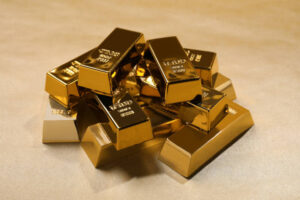
Why has gold stayed so appealing? Partly because it follows distinct rules. Gold usually just shrugs and keeps shining when paper money loses friend requests faster than a bot account. You check your phone and see headlines about recessions, volatile indexes, and digital gold chatter. But gold stays calm and doesn’t panic. That feeling of being stubbornly reliable is what makes generations come back to it like iron filings to a magnet.
But this is where things start to get strange. Gold isn’t like stocks in a firm. There are no quarterly reports or clean columns of profits. Its price is like a cosmic seesaw that goes up and down based on global supply and demand, geopolitical tension, and the odd market rumor. Have you ever tried to explain to a neighbor why buying coins, bars, or certificates doesn’t pay off? Watch their eyebrows do flips and turns.
Some people dream of dragon-like piles of money in bank vaults. Some others like the virtual things better, such gold ETFs, mining stocks, or “paper gold,” which lets you invest without having to deal with real assets. You can’t drop a gold ETF on your foot, but you also can’t see how shiny it is in the moonlight. Each approach has its own set of dangers and possibilities, as well as a blend of ease of use and real-world use. It’s like picking between a Tamagotchi and a golden retriever puppy. Both promise loyalty, but only one will chew on your slippers.
Let’s talk about timing, which is something a lot of people are obsessed with. Gold is different from other investments in that it makes individuals doubt their decisions. Prices go up when there is a crisis and sometimes go down when things are going well. It can seem like riding a roller coaster after a bad lunch to look at gold charts. Are you buying at the top or looking for a good deal at the bottom? You don’t need a crystal ball, just guts and maybe a strong cup of tea.
Taxes can also get in the way. In certain places, taxes on profits from actual gold are higher than taxes on conventional investments. It’s also not free to keep gold safe. Some costs are inescapable unless you want to live in a castle. I can almost hear someone reading this say, “But what about jewelry?” Sure, those shiny wedding bands could come in handy in a pinch, but the prices at stores can be worse than a bee with an attitude problem.
Here, the magic word “diversification” comes into play. Just because your great-uncle did it doesn’t mean that putting everything into gold would make you rich. Change it up. You could put X percent of your money into precious metals and the balance into equities, bonds, or a wonderful old artwork that may or may not be real. When gold is just one of many lights in your portfolio, it shines the brightest.
If you assume that buying gold will make you rich quickly, you should calm down. Nothing is certain. For hundreds of years, nevertheless, it has been a way to store value and protect against the unknowns of life. You need to be patient and brave to put money into it. It’s not so much about winning the jackpot as it is about finding a balance. That, my friend, is worth looking at again.