Posts Tagged: solar for investors malaysia
Shades of Green: Examining the Environmental Problems That Arise with Large Solar Projects
At every solar ribbon-cutting, people boast about “clean energy” and a “green future.” But here’s the thing: even large scale solar farms have to follow environmental rules. Yes, they give out a lot of S-U-N without any smoke, but nothing comes without a mark.
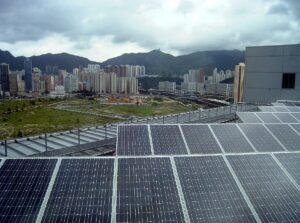
Let’s start with the land. A lot of space is needed for solar projects. A farm with 100 megawatts of power normally needs between 600 and 900 acres. When you put up these kinds of numbers, animals start to feel trapped. Wide-open spaces can drive out natural plants, bugs, and animals, especially in locations that used to be silent, like prairies or deserts. Birds that build their nests on the ground might leave. Small mammals can lose crucial routes that they need to get around. Fences that are meant to keep people out can also keep deer and coyotes out.
And then there’s the water. Panels don’t need water like fossil fuel plants do, but they do need to be cleaned a lot in places with a lot of dust. A few desert places need thousands of gallons of water per year to stay clean. Environmentalists can get mad if you wash solar panels when water is already scarce to come by.
Panels reflect sunlight, which is pretty much all they do. But if the arrays aren’t set up correctly, they might generate too much glare, which can be bad for birds and even drivers who are just passing by. Some concentrated solar projects use mirrors to focus sunlight, and they have been known to kill bugs and trick birds in the air. These “solar flux” areas make things more risky, especially for birds that are flying south for the winter.
Let’s speak about chemistry for a minute. Most solar panels are safe, but there are challenges with creating them and getting rid of them. Small amounts of harmful substances, including cadmium or lead, can leak out if they are broken or thrown away the wrong manner. It’s a dark afterthought for a technology that says it is clean.
Solar power is definitely a way to tackle climate change because it cleans up the air and cuts down on pollutants. But it’s clear that even a sunny field can hurt the environment in some ways. Big changes in progress, like large-scale solar, need both praise and criticism. What is the problem? Making sure that the push for green energy doesn’t hurt the things it seeks to protect without anyone knowing.